Guides/Know-how
Know-howCoffee Grind Size Explained (With a Grind Chart)
Match the grind to how long the coffee sits in the water. Quick brews like espresso need a fine grind; long ones like plunger and cold brew need coarse. If your coffee tastes sour, grind finer. If it tastes bitter, grind coarser.
By The Killer Coffee team

In this guide
Grind size is the most overlooked part of good coffee. The same beans can taste rich and sweet, or sour and thin, depending on how they're ground.
Why grind size matters
Water pulls flavour out of coffee through its surface. The finer the grind, the more surface there is, and the faster the flavour comes out.
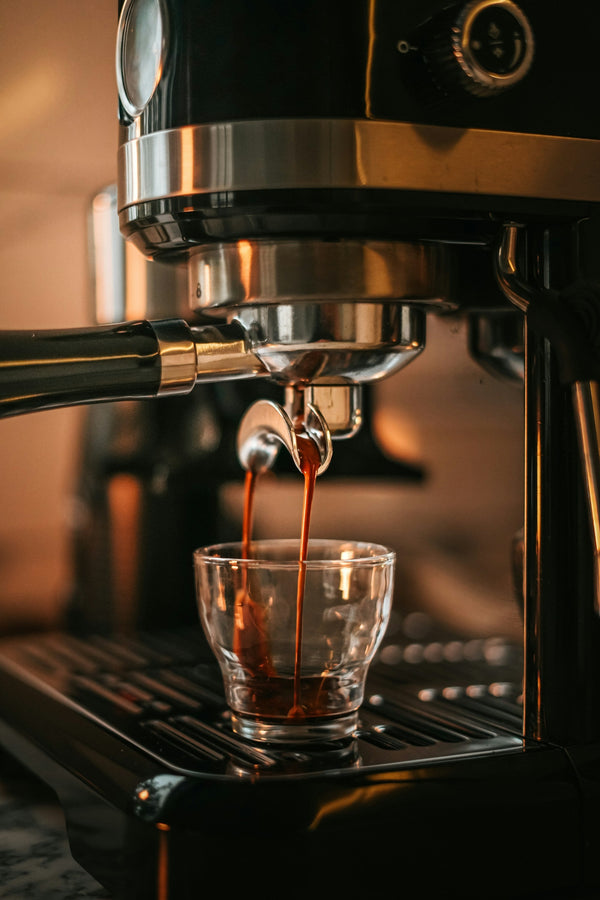
So the rule is simple: the shorter the brew, the finer the grind. An espresso is done in about 30 seconds, so it needs a fine grind. Cold brew steeps for up to 24 hours, so it needs a coarse one.
The grind chart
| Method | Grind | Feels like | Our grind |
|---|---|---|---|
| Espresso machine | Fine | Table salt | Ground Espresso, or Whole Beans |
| AeroPress | Fine to medium-fine | Table salt to fine sand | Ground Espresso |
| Moka pot | Medium-fine | Gritty, not powdery | Ground Espresso, not packed down |
| Pour-over and drip bags | Medium | Coarse sand | Rip 'n Drip bags come ready ground |
| Plunger (French press) | Coarse | Rock salt | Ground Plunger |
| Cold brew (Toddy) | Coarse | Rock salt | Ground Plunger |
Too fine or too coarse? How to tell
- Sour, thin or watery: under-extracted. The grind is too coarse, so go finer.
- Bitter, harsh or drying: over-extracted. The grind is too fine, so go coarser.
- Sludgy plunger or a blocked moka pot: far too fine for that method.
Change one thing at a time. If you adjust the grind and the dose together, you won't know which one fixed it.
Burr or blade grinder?
A burr grinder crushes beans between two plates set a fixed distance apart, so the pieces come out close to the same size. A blade grinder chops them like a blender, leaving a mix of dust and chunks.
That mix is the problem. The dust over-extracts and turns bitter, while the chunks under-extract and taste sour, both in the same cup. If you're buying a grinder, buy a burr grinder.
Buying ground coffee instead?
That's fine. Just buy the grind that matches how you brew. We grind two ways:
- Ground Espresso: fine, for espresso machines, the AeroPress and the moka pot.
- Ground Plunger: coarse, for the plunger and cold brew.
Not sure whether to grind your own? See whole bean vs ground coffee.
The bottom line
Short brew, fine grind. Long brew, coarse grind. Sour means go finer, bitter means go coarser, and a burr grinder beats a blade every time.
Which Killer coffee
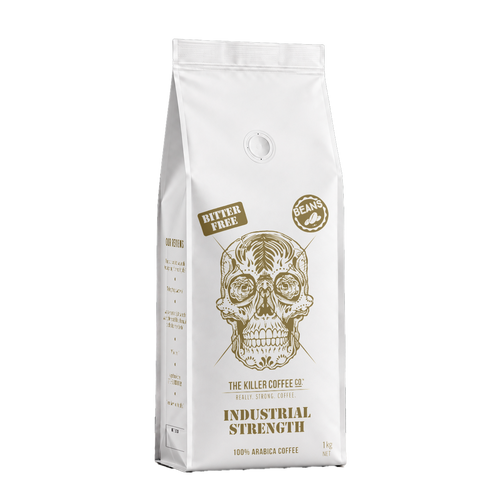
Industrial Strength
Whole Beans, Ground Espresso or Ground Plunger.
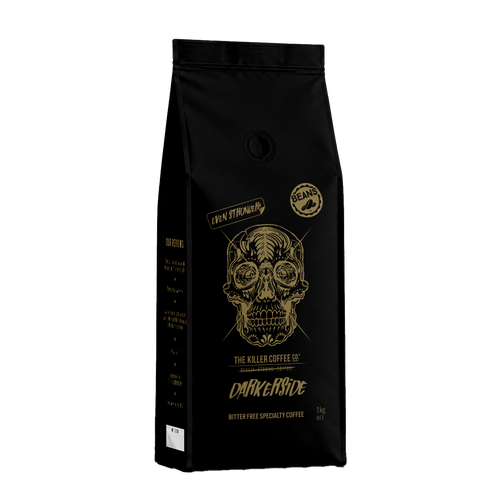
Darkerside
Whole Beans, Ground Espresso or Ground Plunger.
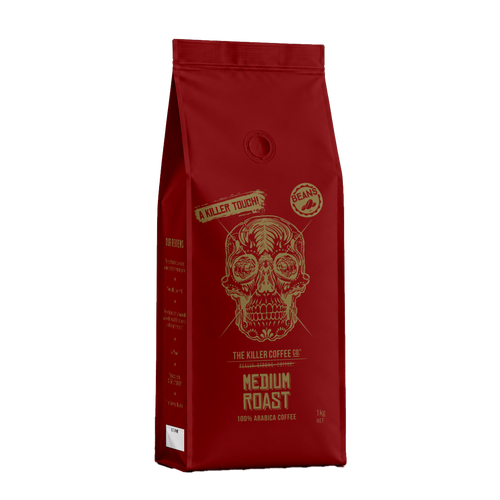
Medium Roast
Smoother, average strength.
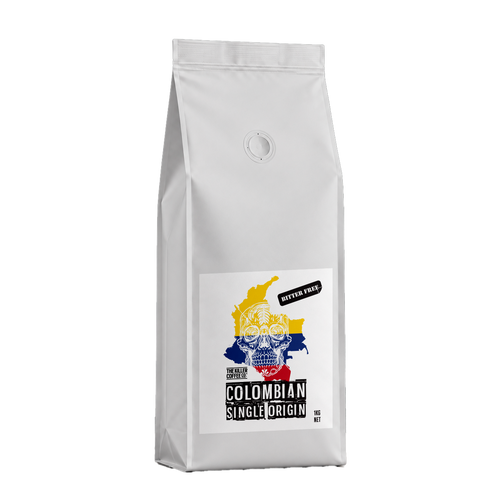
Killer Colombian Single Origin
Whole Beans, Ground Espresso or Ground Plunger.
FAQ
What grind should I use for a plunger?
Coarse, like rock salt. Our Ground Plunger is ground for it.
What grind should I use for espresso?
Fine, like table salt. With whole beans, adjust it until a shot of about 40g takes 28 to 32 seconds.
Can I use espresso grind in a plunger?
It's not a good idea. The fine grounds slip through the mesh and over-extract, so the cup turns muddy and bitter.
Why does my coffee taste sour?
It's usually under-extracted. Grind finer, or brew a little longer.
Why does my coffee taste bitter?
It's usually over-extracted. Grind coarser, or brew a little shorter.
Does grind size change the caffeine?
A little. Finer coffee gives up its caffeine faster, but how much coffee you use matters far more.
Sources
- National Coffee Association, Cold brew coffee (grind guide) and French press coffee
- Toddy, home brewing guide
- Schmieder et al., time-resolved extraction of caffeine from finely ground coffee, Journal of Food Engineering (2017)